WASHINGTON, D.C. — January 24, 2026. A massive winter storm sweeping the United States and widespread civil unrest over immigration enforcement policies have emerged as the most consequential developments shaping domestic affairs this weekend, overshadowing early 2026 political narratives and testing emergency response systems from state capitals to the nation’s capital.
1. Historic Winter Storm Disrupts Travel, Shuts Down Infrastructure
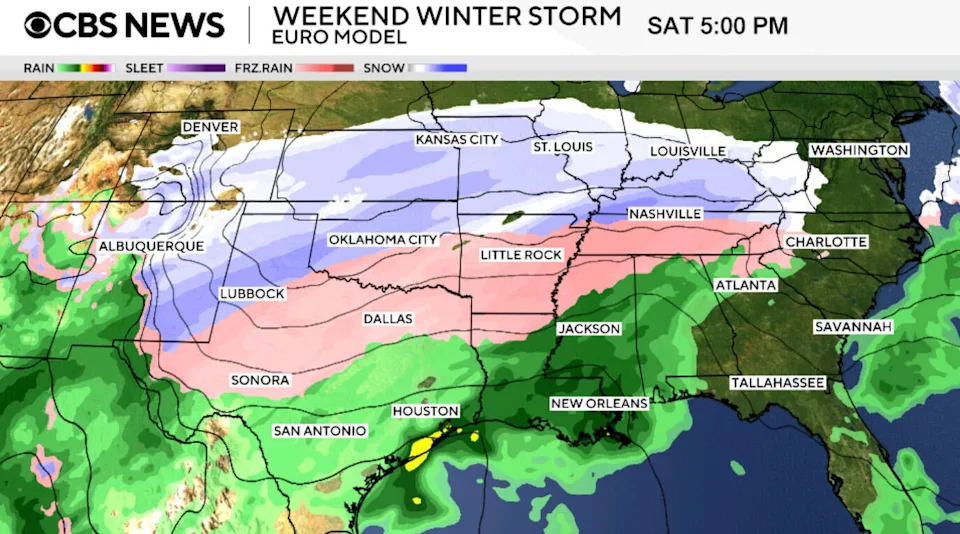
From the Great Plains to New England, the United States is in the grip of what meteorologists are calling one of the most expansive winter weather systems in decades. The storm — dubbed Winter Storm Fern — has triggered states of emergency in more than a dozen states, with snow, ice, and sub-zero temperatures combining to paralyze travel and damage infrastructure.
According to updated forecasts and government alerts:
- More than 200 million people are within the storm’s impact zone across roughly 35 states.
- At least 18 states have declared emergencies, with several National Guard units mobilized for rescue and support missions.
- Air travel disruptions are significant: hundreds of flights have been cancelled or delayed, with major hubs such as New York, Chicago, Atlanta and Dallas reporting serious capacity reductions and logistical bottlenecks.
Power outages and hazardous road conditions remain a high risk as freezing rain coats power lines and trees, threatening widespread utility failures if conditions persist. Forecasters warn that much of the Northeast could see up to one to two feet of snow by Sunday, especially in elevated and urban corridors.
In addition to transportation chaos, the storm is impacting critical services, with school closures, emergency shelter openings, and municipal warnings urging residents to remain indoors and prepare for extended periods of extreme cold. Emergency management officials are coordinating with federal resources, but the scale of the event has stretched local response systems to their limits.
2. Outrage and Protest Over Immigration Policy Escalates Nationwide
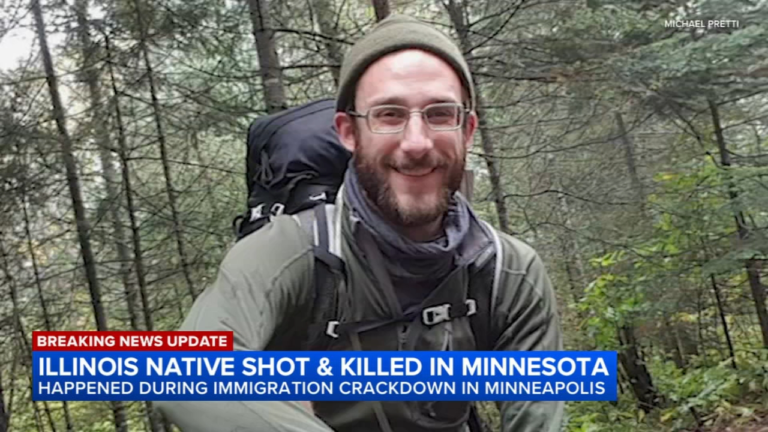
Simultaneously, the United States is experiencing a wave of public protest and civil unrest tied to immigration enforcement actions, particularly following the fatal shooting of a Minneapolis resident earlier this month during an operation by U.S. Immigration and Customs Enforcement (ICE).
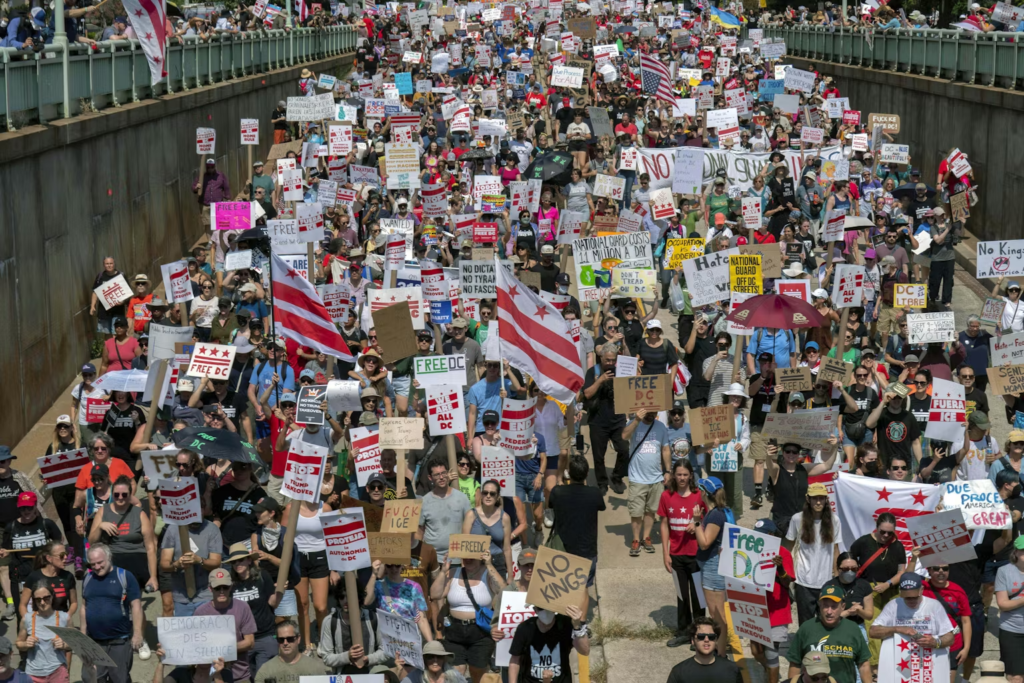
(Thousands protesting near Washington D.C against supposed Tyranny and the immigration policy)
What began as targeted demonstrations in Minnesota has grown into large-scale mobilizations in multiple cities, with tens of thousands participating in coordinated protests and economic actions. The protests, described locally as a “Day of Truth & Freedom,” included symbolic walkouts, mass public gatherings, and calls for sweeping changes to federal immigration policy and accountability for enforcement agencies.
Compounding tensions, reports have surfaced alleging that the Justice Department, under President Donald Trump’s administration, blocked federal prosecutors from investigating the Minneapolis case as a civil rights matter, a move that ignited further outrage among activists and civil liberties organizations.
- Demonstrators accused federal authorities of reframing the fatality as a criminal matter to avoid scrutiny.
- The FBI saw internal dissent, with at least one senior official resigning amid pressure over how the inquiry was being handled.
- Protests have included sustained clergy participation, street marches, and widespread community organizing, even as some demonstrations resulted in arrests of religious leaders and civil rights advocates.
Advocates and opposition groups are calling for major policy reforms, including limitations on ICE authority, increased accountability for federal agents, and expanded civil rights protections. Meanwhile, federal authorities have defended enforcement practices as necessary for public safety, underscoring a deepening political divide within the country.
What Comes Next?
As Americans face a once-in-a-generation weather event and rising national disputes over immigration enforcement, both domestic governance and emergency response capacities are under intense public scrutiny. Federal, state, and local leaders are expected to hold coordinated crisis briefings, while lawmakers on Capitol Hill may respond with legislative proposals addressing storm recovery aid and border enforcement oversight.
With the winter storm forecast to continue into next week and protests unlikely to diminish soon, the balance between maintaining public safety, protecting civil liberties, and restoring infrastructure resilience will be central to the nation’s evolving narrative in early 2026.
About The Author