BRUSSELS/ROME — The European Union is navigating a complex set of political and economic challenges as leaders seek to protect the bloc’s interests amid rising global competition, domestic economic concerns, and transatlantic tensions.
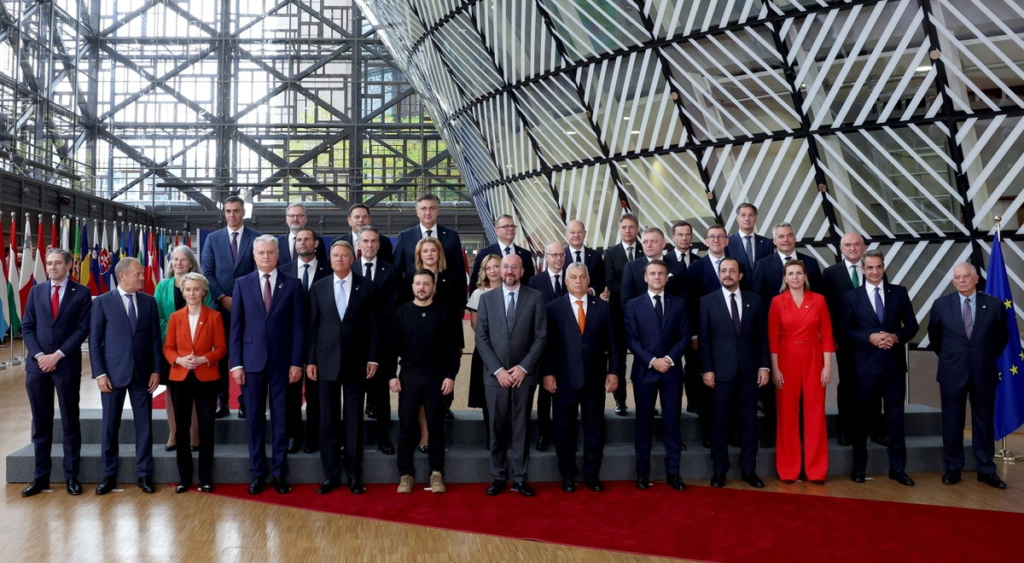
(The brussels summit, EU leaders meeting to discuss further actions)
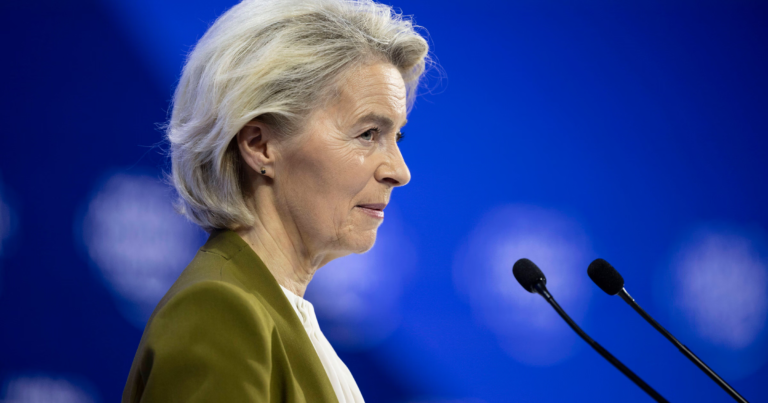
European Commission President Ursula von der Leyen arrived in New Delhi this week aiming to deepen EU–India collaboration, with high-level talks expected to produce a new strategic agenda and possibly a landmark agreement covering trade, defence and sustainability. Officials describe this as a major step toward strengthening economic and geopolitical cooperation outside the bloc’s traditional Western ties.
At home, EU policymakers are under pressure to boost competitiveness in the face of economic headwinds and geopolitical rivalry. Germany and Italy issued a joint warning that Europe risks falling behind the United States and China unless it undertakes substantial reforms to cut bureaucracy, accelerate regulatory processes, and reinforce the single market. They argue that enhancing competitiveness is essential to safeguard living standards and maintain strategic autonomy in key sectors.
Concerns over EU economic policy have also taken institutional form. In Rome, Italian Prime Minister Giorgia Meloni and German Chancellor Friedrich Merz signed a bilateral plan promoting closer cooperation on defence, security and industrial competitiveness — a sign of increasing coordination between two of the bloc’s largest economies.
Trade policy remains a contentious issue. On January 21, the European Parliament voted narrowly to send the EU–Mercosur free trade agreement to the bloc’s top court for legal review, delaying final ratification amid concerns over treaty compatibility and environmental protections. The deal — years in the making and potentially one of the world’s largest free trade zones — still awaits parliamentary approval and ratification by Mercosur member states.
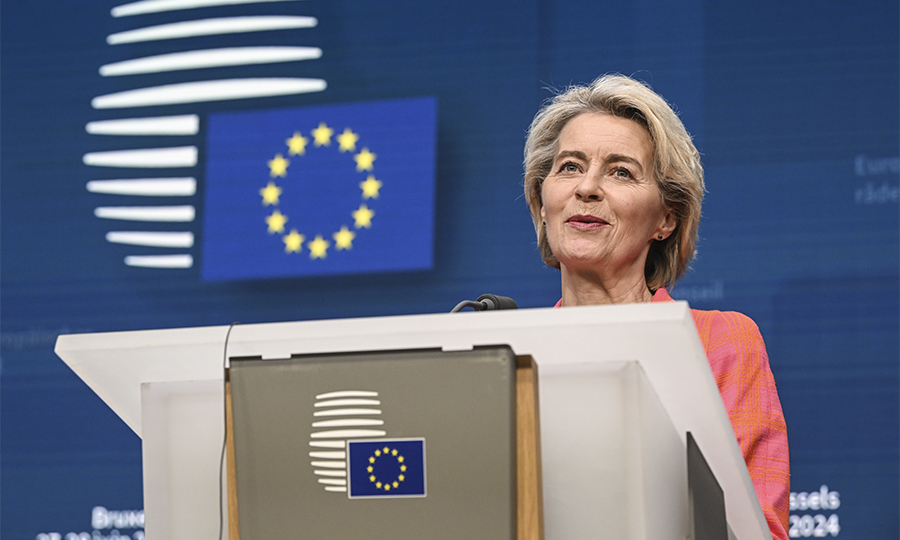
(European Commission President Ursula von der Leyen during talks aimed at strengthening the EU’s global economic partnerships)
Despite the delay, the European Commission has signalled it may provisionally implement parts of the Mercosur agreement once a Mercosur country completes ratification, underscoring Brussels’ desire to expand trade ties even amid internal debate.
Transatlantic relations are under strain, as well. EU leaders have been vocal in addressing diplomatic tensions with the United States after threats of U.S. tariffs related to the Greenland situation. At an emergency Brussels meeting, European Council officials affirmed their commitment to defending EU interests and strategic autonomy, even as they pursue dialogue with Washington.
lsewhere, the EU is pursuing closer international ties beyond Europe. Plans are underway to elevate diplomatic and economic cooperation with Vietnam, reflecting a broader strategy of diversifying partnerships amid trade disruptions and shifting global alliances.
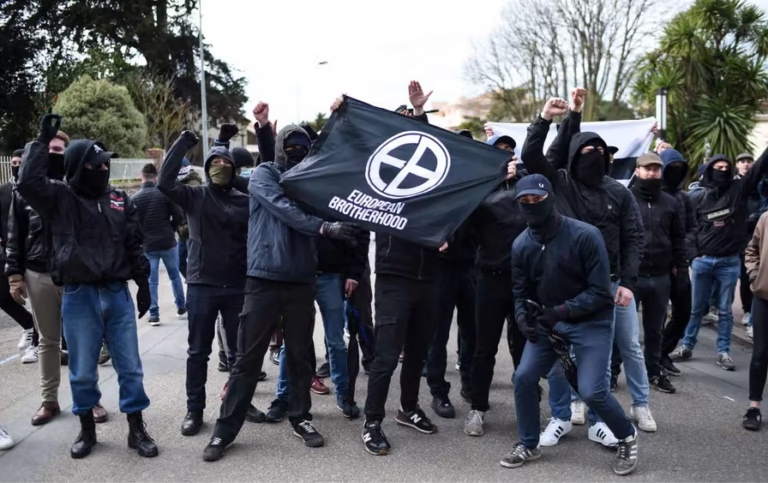
Political currents within Europe also reveal emerging fracture points. Tensions have surfaced between U.S.-aligned far-right movements in Europe and Donald Trump’s MAGA orbit, particularly after Trump’s controversial Greenland ambitions, which some European nationalists labelled “imperialist” and contrary to national sovereignty. This reflects a wider debate over Europe’s strategic orientation and alliances.
On the policy front, senior EU officials, including the justice commissioner, have called for reduced reliance on external powers such as the U.S., China and Russia, advocating instead for an EU that is more self-reliant in security, energy, and economic decision-making. This push aligns with a broader shift toward strategic autonomy while maintaining respect for international cooperation.
About The Author