MINNEAPOLIS — Authorities say a 37-year-old Minneapolis resident was shot and killed by federal immigration agents during an enforcement operation on Saturday morning, in an incident that has shaken the city and drawn public outcry.
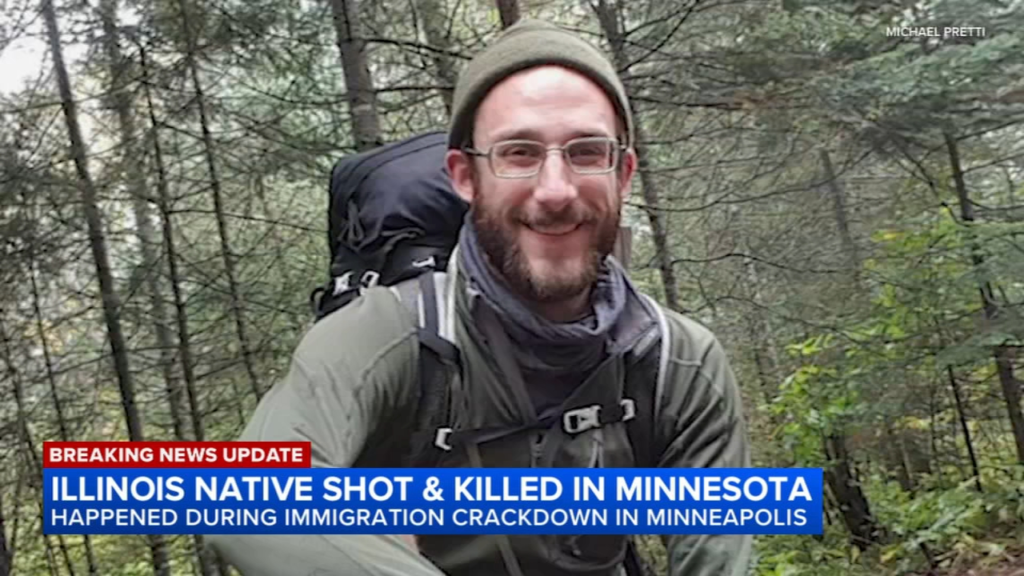
(Alex Pretti during his hiking trip, now unable to hike anymore)
The man, identified as Alex Jeffrey Pretti, was a licensed intensive care nurse at the Minneapolis Veterans Affairs Health Care System. Federal officials from the Department of Homeland Security (DHS) said Pretti was armed and resisted agents during the encounter, prompting a Border Patrol agent to fire in what the agency described as self-defense. Federal authorities circulated an image of a handgun they said was found at the scene.
Video footage circulating online and statements from Pretti’s family and local community members conflict with elements of the federal account. Some videos show Pretti holding what appears to be a phone rather than a weapon at the time he was pepper-sprayed, tackled, and shot multiple times. Pretti’s family has strongly disputed claims he posed a threat, describing the official characterization as inaccurate and defending his peaceful nature.
Pretti’s loved ones remembered him as a compassionate caregiver who “wanted to make a difference in the world,” saying in a statement that his death is a profound loss and a tragedy for family and community.
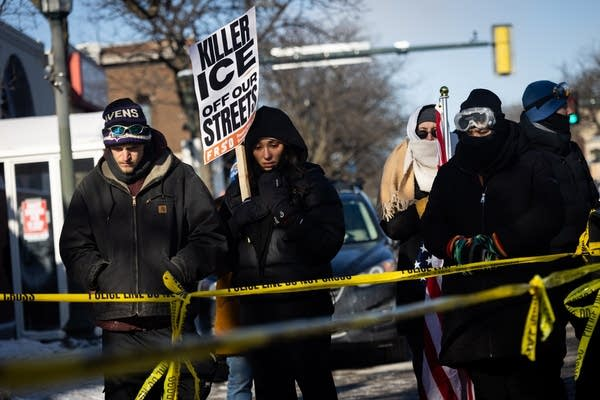
(Protest’s in Minneapolis after the shooting of Alex Pretti)
The shooting occurred amid heightened tensions in Minneapolis, where a previous fatal shooting by federal agents earlier in the month already fueled public concern about enforcement tactics. City leaders, including Mayor Jacob Frey and Governor Tim Walz, have criticized the federal operation and called for greater transparency, while the Minnesota Bureau of Criminal Apprehension confirmed it is investigating the incident.
In the aftermath, protesters gathered in south Minneapolis and other cities, demanding accountability and an end to the current federal immigration enforcement activities. The deployment of National Guard troops has also been reported to help manage unrest, reflecting the deep public unease surrounding the event.
Federal officials, including DHS leadership, continue to defend the agents’ actions and maintain that the use of lethal force was justified based on their assessment of the situation. Local authorities, however, have noted limited access to the scene and evidence, intensifying debate over jurisdiction and oversight.
The shooting and its fallout have renewed discussions about law enforcement use of force and the conduct of federal operations in urban communities. Many residents and advocacy groups describe the loss of life as a tragedy that underscores broader concerns around public safety and government accountability.
About The Author