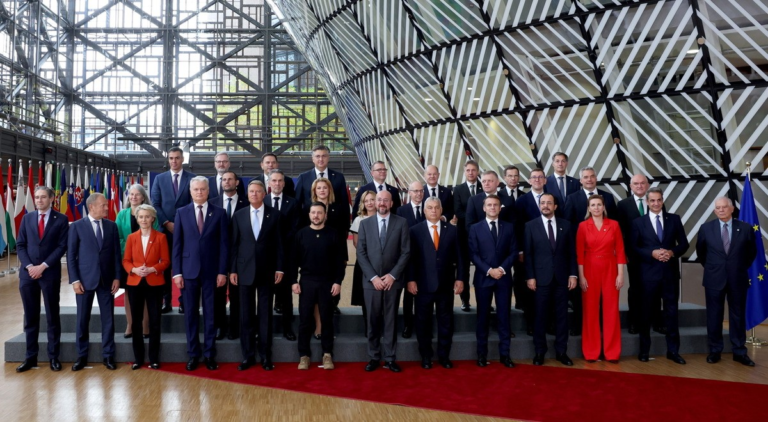
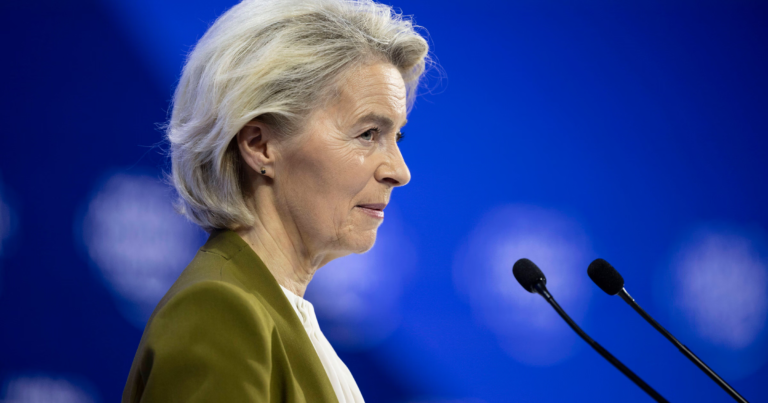
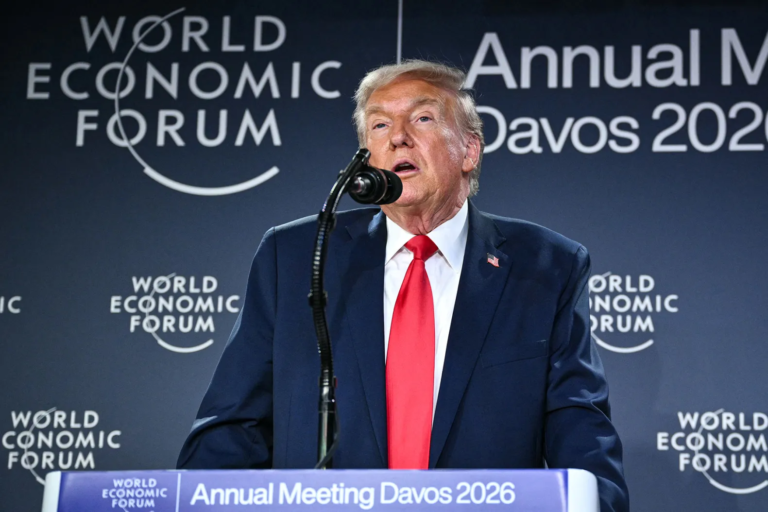
The ongoing trade tensions between the European Union and the United States have escalated due to President Donald Trump’s controversial bid to purchase Greenland. This move has reignited geopolitical tensions between the two powerful entities, with implications that extend beyond just trade disputes. As a political analyst, it is crucial to dissect the underlying issues and implications of this geopolitical tussle on both economic and security fronts.

Escalating Trade Tensions: The EU-US Geopolitical Tussle
The EU and the U.S. have long been key trading partners, but recent developments have strained their relationship. President Trump’s unconventional proposal to buy Greenland, a territory that belongs to Denmark but is an autonomous region, has sparked outrage and confusion within the EU. This move has not only strained diplomatic ties but has also led to a renewed focus on trade imbalances and economic dependencies between the two entities.
The EU heavily relies on the U.S. for critical energy supplies, making it vulnerable to any disruptions in trade relations. With the U.S. flexing its economic muscle and using trade as a political tool, the EU finds itself in a precarious position. The escalating tensions have the potential to disrupt global trade flows, impact economic growth, and lead to a reevaluation of existing trade agreements and partnerships. This geopolitical tussle highlights the complexities of international trade and the interconnectedness of global economies.
Security Concerns: Impact of Trump’s Bid to Buy Greenland
President Trump’s bid to buy Greenland has raised security concerns within the EU and beyond. The strategic location of Greenland, coupled with its natural resources and potential military significance, has put the spotlight on security implications of such a move. The EU is wary of any potential military presence in the region, as it could shift the balance of power and threaten existing security arrangements.
The EU’s concerns about security implications go beyond just territorial disputes. The bid to buy Greenland has reignited discussions about military presence, strategic alliances, and potential conflicts in the Arctic region. As the Arctic becomes increasingly important due to climate change and resource extraction, any changes in ownership or military presence could have far-reaching security implications for the EU and the global community. This bid has underscored the need for a comprehensive security strategy that takes into account not just traditional threats but also emerging geopolitical challenges.
Why this matters
The EU-US geopolitical tussle over trade tensions and security concerns matters on a global scale due to its potential to disrupt international relations, trade agreements, and security arrangements. The outcome of this conflict could have far-reaching implications for the global economy, energy security, and geopolitical stability. As a political analyst, it is essential to closely monitor these developments and analyze their impact on international relations, security dynamics, and economic stability. The EU and the U.S. must navigate this geopolitical tussle with caution, considering the broader implications for global security and cooperation.
About The Author