In Brussels, Paris and Berlin, the mood this weekend could best be described as cautious. The Geneva talks have brought the world’s attention back to the conflict in Ukraine — but Europe’s take on the latest proposal is far from enthusiastic.
What’s on the table
The Donald Trump administration has rolled out a 28-point peace plan that would require Kyiv to make major concessions, including staying out of NATO and giving up parts of its territory.
In response, a number of European governments have drafted a counter proposal — emphasising Ukraine’s sovereignty and a stronger role for Europe in shaping the outcome.
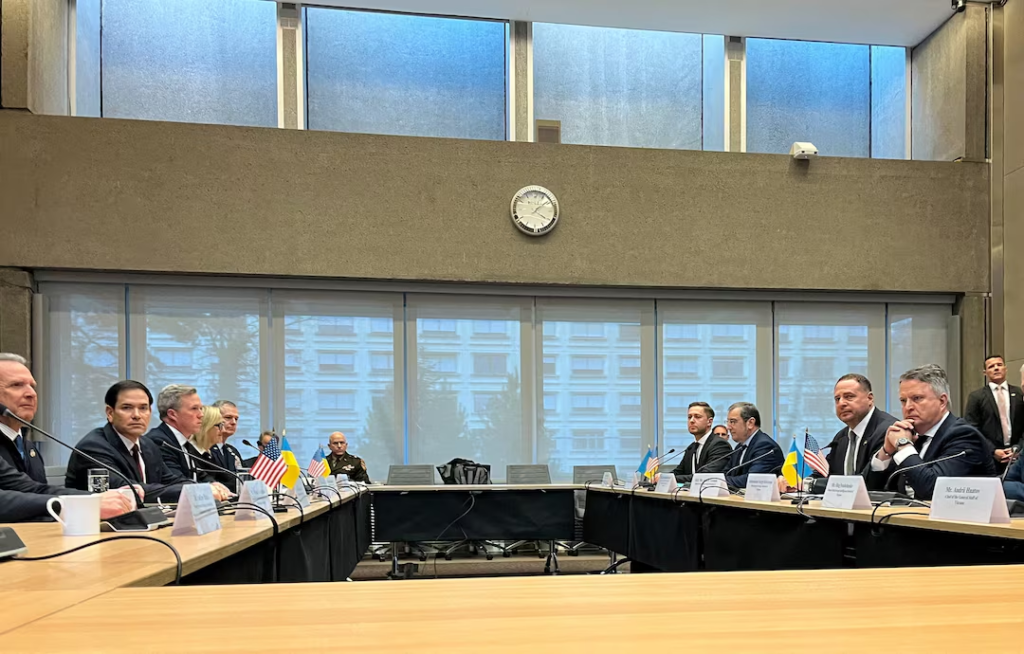
(Photo of negotiators in Geneva sitting at a long table with documents and microphones; tense diplomatic atmosphere.)
Europe’s concerns
- Many EU leaders believe the US plan is only a draft, and they’re not willing to endorse something that feels like a win for Moscow.
- For Ukraine, the pressure is intense: sign-off could mean accepting terms seen as limiting its future autonomy according to Sky News
- The timing matters: ahead of upcoming EU meetings on defence and foreign policy, European capitals want to ensure they are not sidelined in what might become a major geopolitical shift.
What happens next
- Talks continue in Geneva with US and Ukrainian delegates working through the weekend.
- Europe is preparing for further discussion during the upcoming sessions with foreign affairs and defence ministers across the EU.
- For now, there’s no definitive deal — only a growing sense that Europe wants a seat at the table, not a by-stander to an American-Russia bargaining.
Why it matters
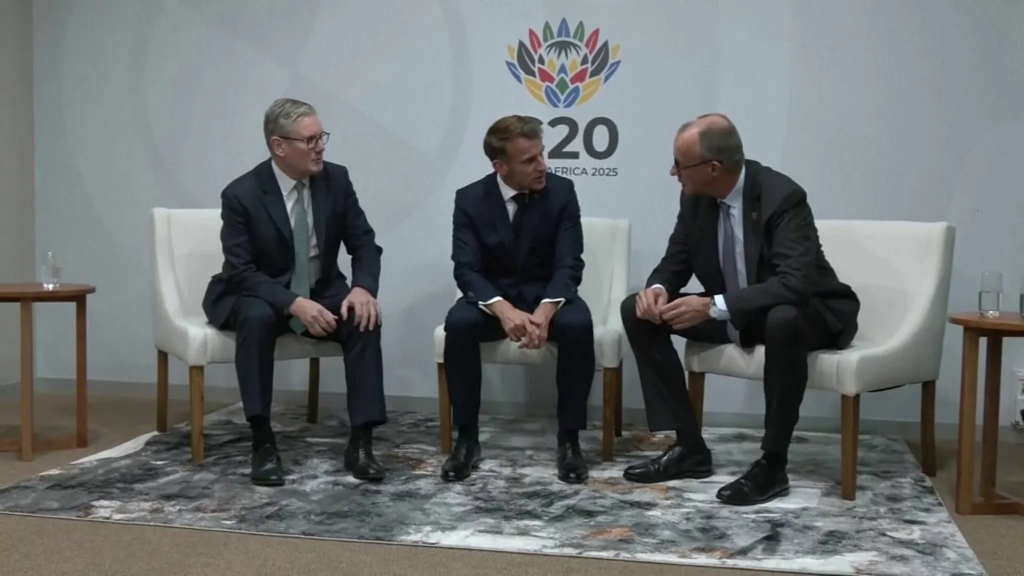
(Photo of EU leaders walking into a Brussels summit hall, serious expressions, flags behind them — natural news-style photo.)
This moment could shape Europe’s role in the post-Ukraine war landscape. If the US ends up leading a settlement without significant European input, it may weaken the EU’s clout in defence and diplomacy. On the other hand, a stronger European voice now could signal a shift toward a more autonomous European foreign policy.
Bottom line:
The world is watching Geneva, but in European capitals the message is clear: this isn’t just Washington’s show — Europe wants a say. And for Ukraine, the stakes are nothing less than its future security and sovereignty.
About The Author