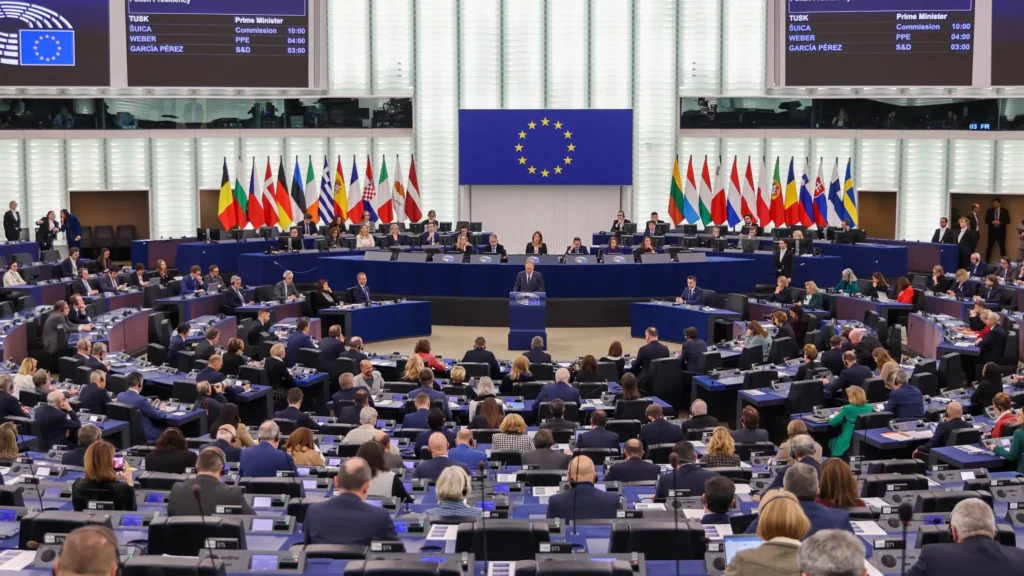
(EU Parlament during the speech of Polish Prime Minister, Donald Tusk)
DAVOS, Switzerland — What began as strategic debates at the World Economic Forum this week has erupted into one of the most serious crises in U.S.–European relations in decades. At the heart of the emerging diplomatic rupture is Greenland — the vast, sparsely populated Arctic territory of the Kingdom of Denmark — and a series of aggressive economic tactics by U.S. President Donald Trump that have compelled the European Union (EU) to pause cooperation on key trade agreements and consider sweeping countermeasures.
Trump’s escalation began with a controversial push to control Greenland, a move he says is essential to safeguard U.S. security and counter the influence of Russia and China in the Arctic. Although he promised not to use military force, Trump tied his ambitions to threats of tariffs on European exports — up to 25% by mid-year unless he secures negotiations — a proclamation that stunned U.S. allies in Denmark, Norway, France, Germany, the United Kingdom, the Netherlands, and Finland.
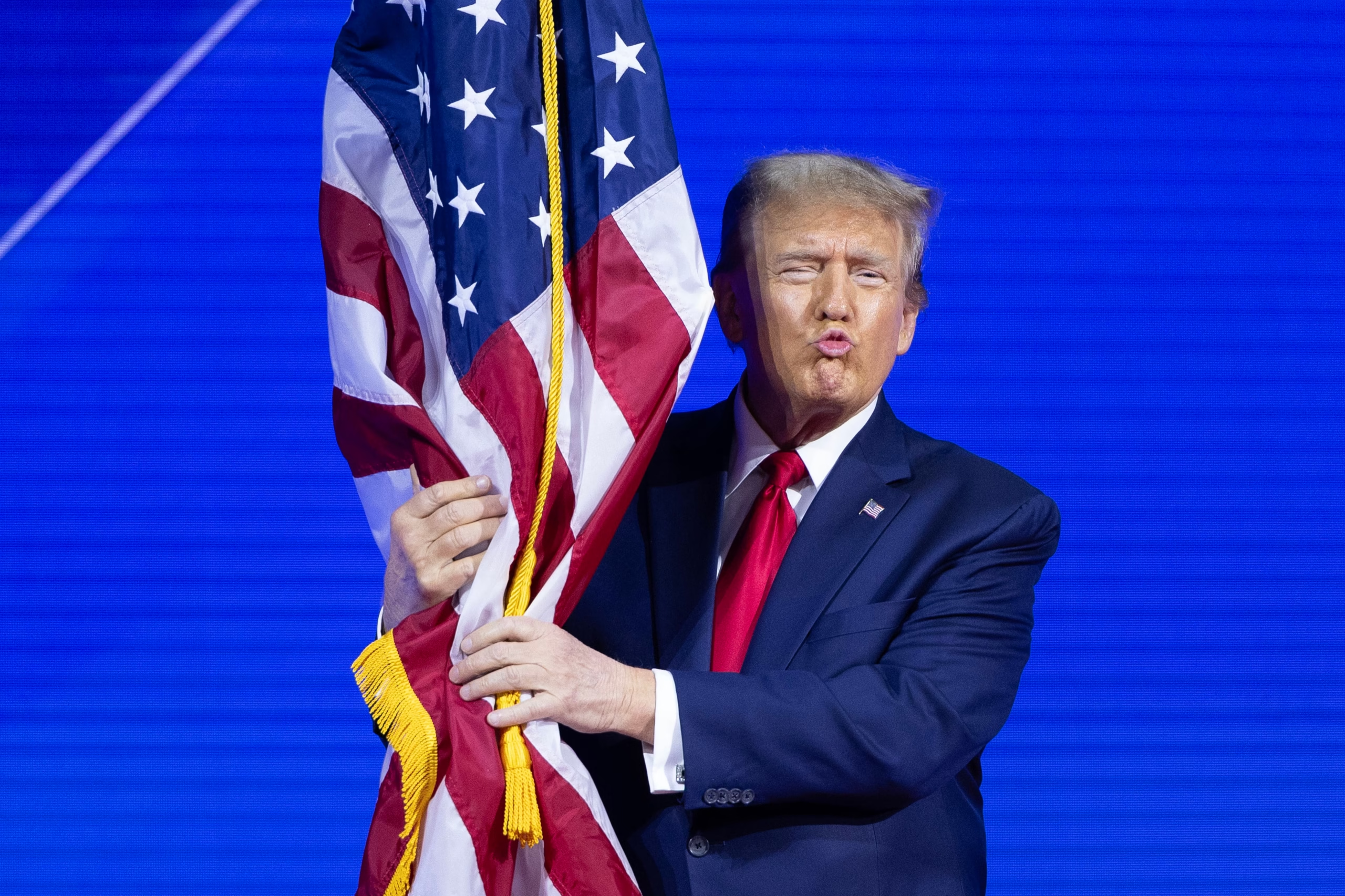
European leaders have reacted with unified defiance, prompting an extraordinary shift in diplomatic posture. The European Parliament’s trade committee decided this week to suspend its work on ratifying a major U.S.–EU trade deal, effectively putting on hold efforts to remove tariffs and deepen cooperation agreed upon in Turnberry, Scotland, last year. The suspension signals deep distrust and frustration in Brussels and across EU capitals over what lawmakers describe as an unacceptable coercive strategy
“Our sovereignty and territorial integrity are at stake,” said one European Parliament member, explaining why votes on implementing the trade accord have been postponed indefinitely. Until the tariff threats are lifted, there appears little appetite in the parliament to approve a deal that many view as already unbalanced in the first place.
From Davos Podiums to Arctic Ice: Why Greenland Matters
The furious diplomatic battle unfolded on the global stage at Davos, where Trump doubled down on his Arctic ambitions. In an extended speech, he criticized European NATO allies for what he called insufficient military support and touted U.S. strategic values — but also reiterated his insistence that Greenland should eventually be under U.S. control. While he insisted he would not employ force, his rhetoric drew sharp rebukes from European leaders.
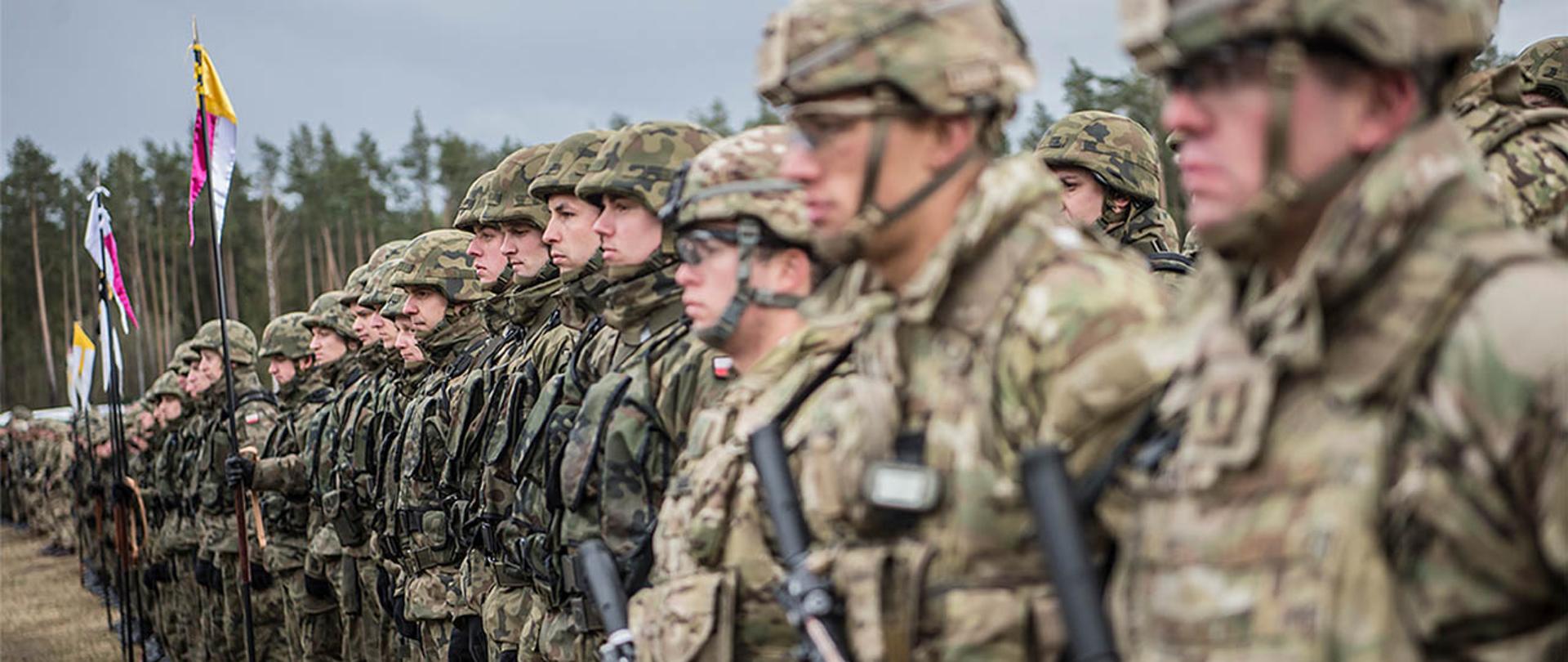
United Kingdom Prime Minister Keir Starmer was among the most outspoken. In London, he declared that the UK “will not yield” on Greenland and rejected Trump’s tariff coercion, stressing that decisions about Greenland’s future must be made by Danes and Greenlanders themselves. His comments reflect broader transatlantic unease with a strategy that many in Europe view as destabilizing to long-standing alliances. – According to Financial Times
Meanwhile, officials from Greenland’s own government have voiced skepticism and anxiety about Trump’s proposals, emphasizing that the island’s self-government and established ties with Denmark remain their priority. Local sentiment has also fuelled protests, with emblematic slogans like “Greenland is not for sale” echoing through streets in Greenlandic and Danish cities.
Trade and Tariffs: The Tit-for-Tat That Could Fracture NATO
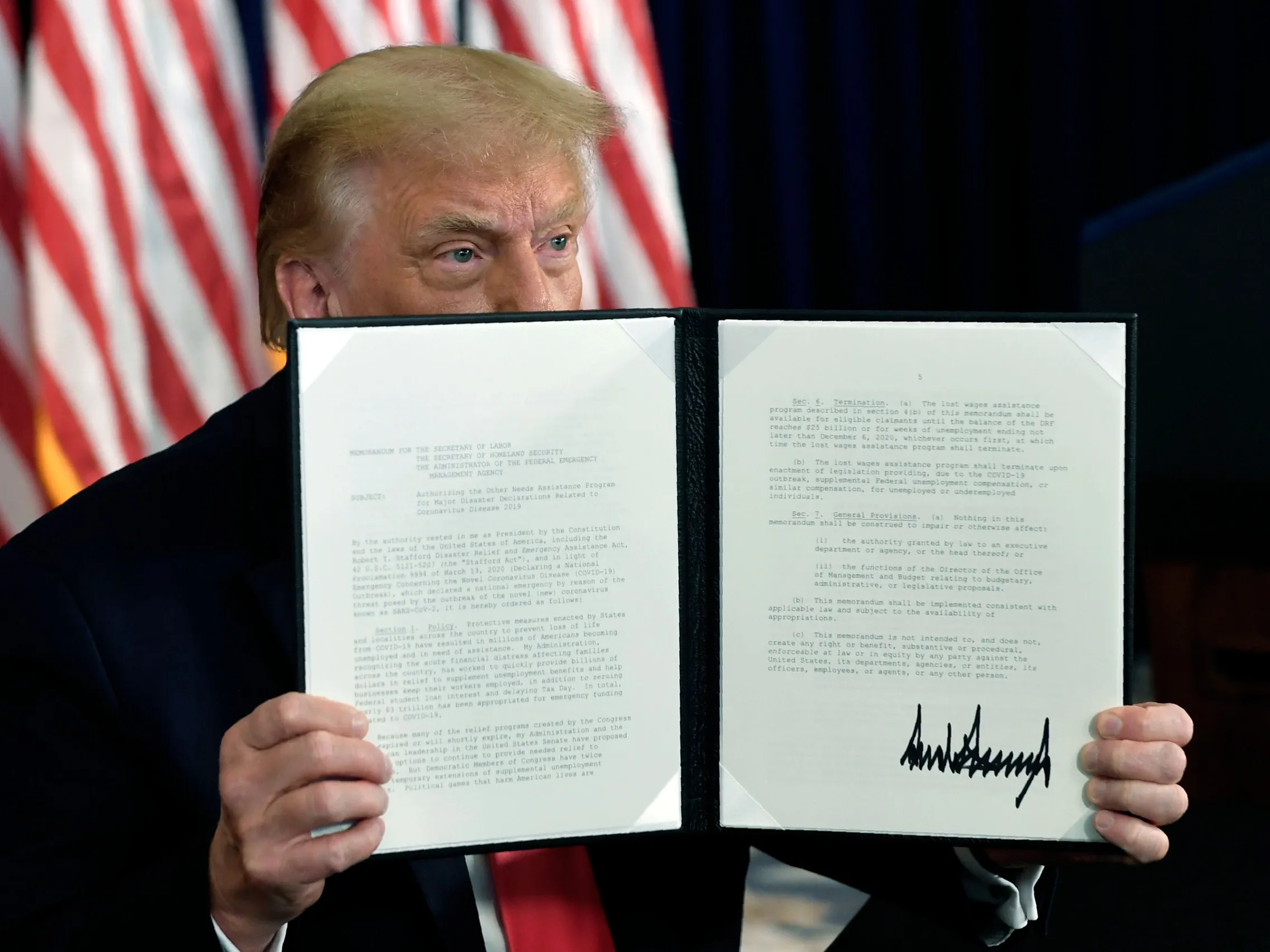
Trump’s threat of tariffs has had immediate economic effects. Financial markets reacted nervously amid fears that broad tariffs on European goods — including pharmaceuticals, vehicles, and industrial machinery — could slow growth and complicate global trade flows. European capitals have not taken this lying down: internal EU deliberations reportedly include contingency plans for €93 billion in retaliatory tariffs on U.S. imports or using instruments to restrict American companies’ access to the single market.
Brussels officials say any such measures would be calibrated to preserve the strategic importance of transatlantic trade while sending a firm message that threats of economic coercion will not go unanswered. At the same time, the possibility of a broader tariff war adds pressure on an already fragile global economy. Observers warn that such escalation could spill over into less predictable arenas — from regulatory battles in technology and data flows to reciprocal restrictions on investment.
What Comes Next?
With trade deal progress stalled and tariff threats still looming, the coming days and weeks are likely to shape the structure of Western alliances for years to come. Will Washington and Brussels find a negotiated path that preserves NATO unity and shared economic frameworks? Or will the Greenland dispute become a flashpoint that redraws the boundaries of cooperation?
Leaders on both sides have signaled that dialogue remains possible. But for now, the once-stable foundation of U.S.–EU relations is under intense pressure — tested not by old Cold War adversaries but by diplomatic brinkmanship, economic leverage, and competing visions of global leadership.
About The Author