EU Trade Breakthrough Meets Political Headwinds
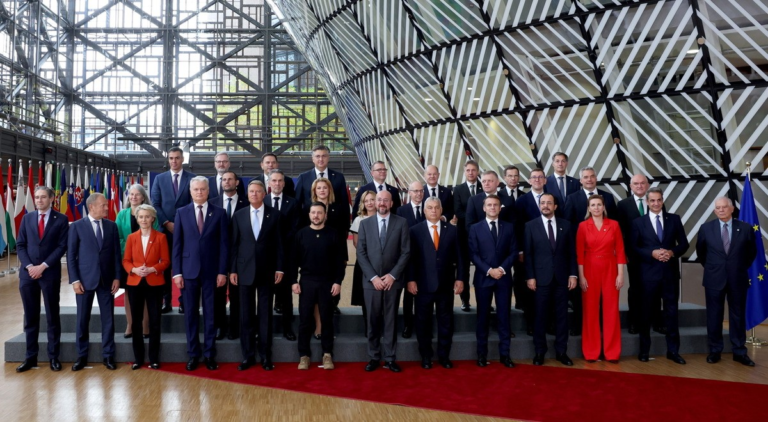
BRUSSELS — After more than 25 years of negotiation, the European Union and the South American Mercosur bloc marked a historic milestone in mid-January when leaders of both sides signed a long-awaited free trade agreement in Asunción, Paraguay. The pact — covering Argentina, Brazil, Paraguay and Uruguay — is designed to create one of the world’s largest integrated trade zones, eliminating tariffs on over 90 % of bilateral goods and linking a market of roughly 700 million people with the European Union’s own 450 million consumers. Supporters argue it will open new sources of agricultural and industrial goods while deepening strategic ties with South America.
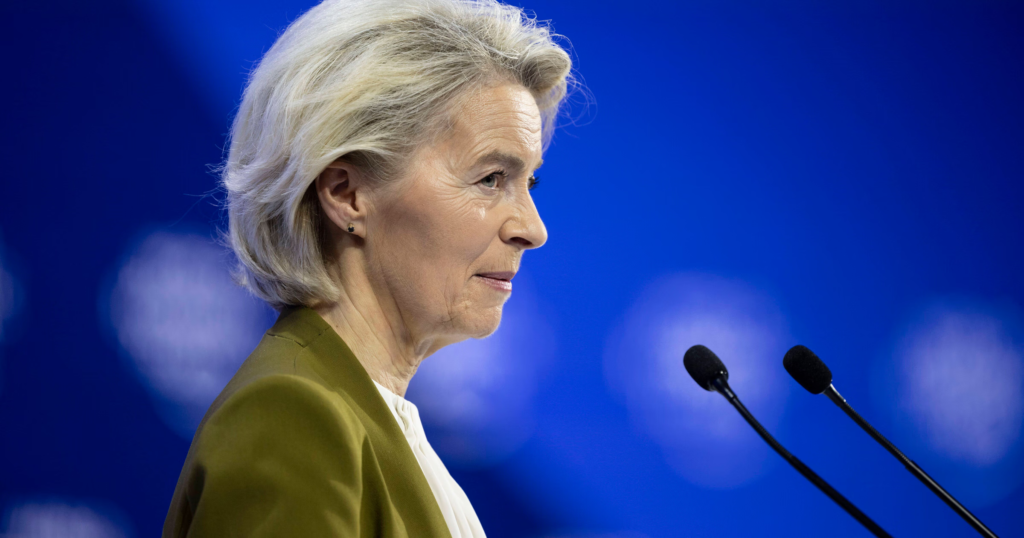
At the signing ceremony, European Commission President Ursula von der Leyen described the pact as a major signal of “fair trade over tariffs,” emphasizing the EU’s commitment to global partnerships and economic diversification. However, the deal has been far from universally embraced within the bloc, particularly among farming lobbies and several member states’ lawmakers who fear increased competition from imports, especially beef, poultry, and sugar.
Barely days after the ceremony, the European Parliament voted narrowly to delay final ratification and refer the agreement to the European Court of Justice to determine whether it complies with EU treaties and safeguards the bloc’s high environmental and consumer-protection standards. The motion passed by just 334 to 324 votes, exposing deep divisions within the EU’s political class and injecting uncertainty into the future of the deal — potentially delaying full implementation by up to two years.
Despite the parliamentary action, the Commission has signalled it is prepared to implement the trade agreement on a provisional basis as soon as a Mercosur country ratifies the deal, offering a temporary path forward even amid legal reviews.
Ursula von der Leyen’s Leadership Under Scrutiny
While the Mercosur saga has dominated EU trade headlines, Ursula von der Leyen’s political appeal and leadership strength are drawing increasing scrutiny.
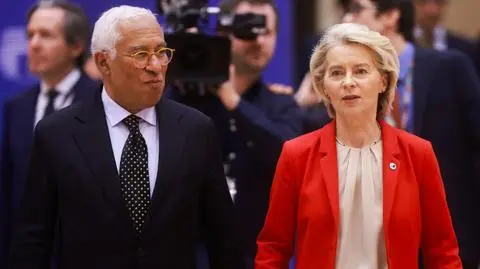
Once widely seen as a historic figure — drawn from Germany’s defence establishment and a central player in shaping EU policy since 2019 — von der Leyen’s second term has been marked by growing institutional resistance and public ambivalence. Recent surveys and European political analyses suggest a mixed or weakened perception of her presidency and the performance of the European Commission under her leadership. According to polling data, a significant portion of EU citizens either view the Commission’s work negatively or are undecided, reflecting a broader “wait-and-see” attitude toward her tenure.
This political fragility was underscored in late 2025 by a series of motions of censure in the European Parliament, filed by hard-right and left-wing groups critical of her handling of key issues — including trade agreements such as Mercosur and her approach to transatlantic relations with the United States. Though these no-confidence bids ultimately failed, they revealed striking levels of parliamentary dissent and highlighted that her support, while enough to survive procedurally, is far from overwhelming.
Analysts point to several structural factors behind the tension: a fracturing parliamentary landscape, shifting political majorities that sometimes bypass traditional centrist alliances, and perceptions that the Commission sometimes sidelines the European Parliament in favour of member states or intergovernmental negotiations. These dynamics have made passing landmark legislation — including trade pacts and major regulatory packages — more contested and unpredictable.
What This Means for the EU’s Future
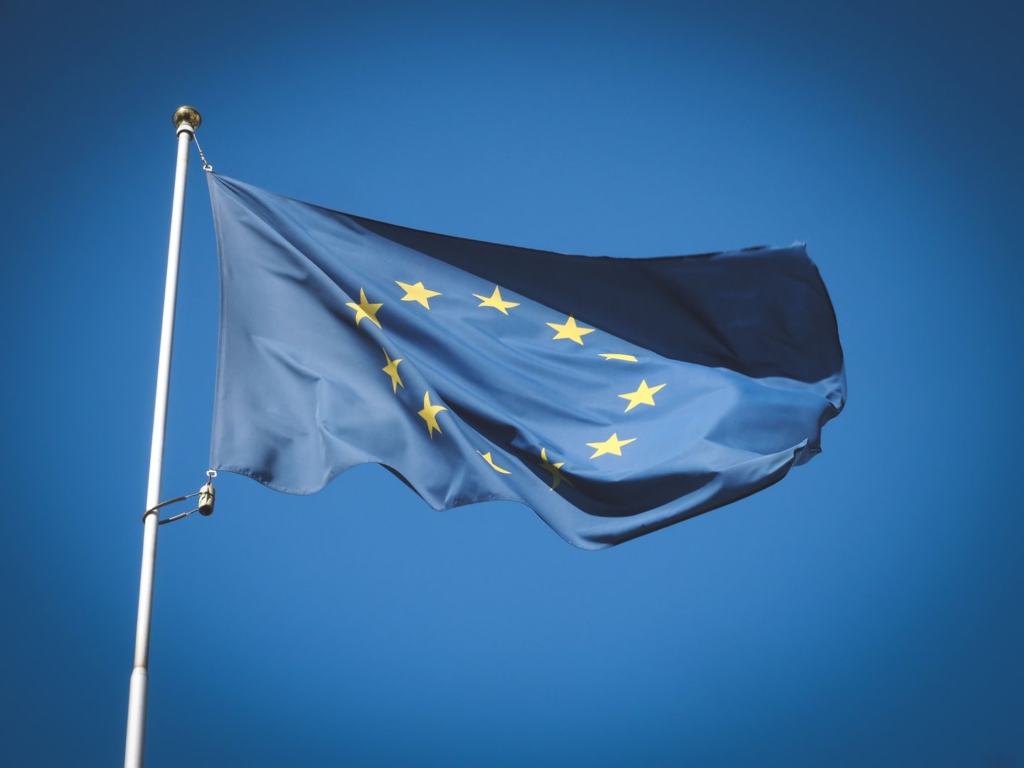
The unfolding Mercosur debate — juxtaposed with internal doubts about Brussels’ leadership — captures a broader tension gripping the European Union: its ambition to act as a unified global actor on trade, security, and multilateral cooperation, while wrestling with domestic political fragmentation, divergent national interests, and rising scepticism among voters and lawmakers alike.
The resolution of the Mercosur pact, and the public standing of its chief architect, will be closely watched in Brussels and capitals across Europe. How Berlin, Paris, Rome and others navigate the fallout may determine whether the EU can advance bold initiatives or becomes entangled in legal and political gridlock — at a time when global competition and geopolitical stress are rising.
About The Author